
How to Choose a Reliable TPEE Manufacturer: A Practical Guide for Global Buyers
2026-08-17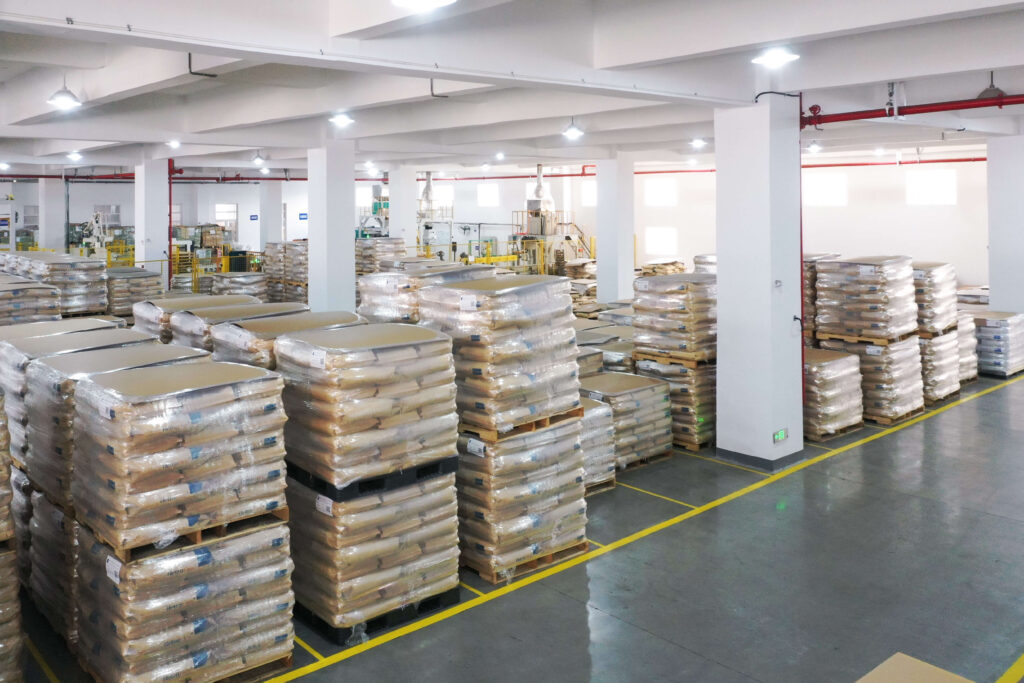
As manufacturers increasingly demand materials that combine flexibility, durability, strength, and processing efficiency, Thermoplastic Polyester Elastomer (TPEE) has become an important engineering material for demanding applications.
From automotive components and cable sheathing to industrial parts and specialized textile applications, TPEE offers a valuable combination of elasticity, mechanical strength, thermal resistance, chemical resistance, and processability.
However, choosing the right TPEE manufacturer is about more than comparing prices. Material consistency, manufacturing technology, customization capabilities, technical support, and supply stability can all directly affect production efficiency and final product quality.
What Is a TPEE Manufacturer?
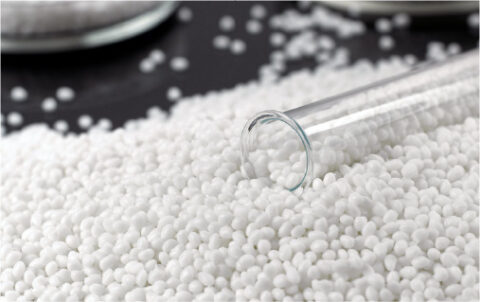
A TPEE manufacturer specializes in producing Thermoplastic Polyester Elastomer, also known as TPC-ET.
TPEE contains hard and soft segments. The hard segments provide strength, stiffness, and thermal performance, while the soft segments contribute flexibility and elasticity.
Unlike traditional thermoset rubber, TPEE can be processed using thermoplastic technologies such as injection molding, extrusion, and blow molding.
Depending on the grade, TPEE can provide:
- Excellent flex fatigue resistance
- High mechanical strength
- Heat and low-temperature resistance
- Chemical and oil resistance
- Abrasion resistance
- Creep resistance
- Good elastic recovery
- Efficient thermoplastic processing
These properties make TPEE suitable for automotive, cable, industrial, electrical, consumer, and outdoor applications.
What Should You Look for in a TPEE Manufacturer?
1. Advanced Manufacturing Technology
A reliable TPEE manufacturer should have stable and well-controlled polymerization technology.
The manufacturing process directly affects molecular structure, viscosity, mechanical performance, and batch-to-batch consistency.
Hetroflex TPEE uses a continuous polymerization process supported by DCS management, online viscosity monitoring, computer-controlled feed ratios, and process control.
This manufacturing approach is designed to improve composition control, viscosity consistency, heat resistance, and overall material stability.
For industrial customers, consistent material performance can help reduce production variation and quality risks.
2. Stable Production Capacity
Production capacity is critical for manufacturers planning long-term procurement.
A supplier may provide good samples but become difficult to work with when demand increases. Therefore, buyers should evaluate annual capacity, lead times, inventory, scalability, and logistics capabilities.
Hetroflex currently reports an annual TPEE production capacity of approximately 20,000 tons and plans to expand its capacity to 50,000 tons. The company also reports serving more than 500 customers worldwide.
A scalable supplier can better support customers from initial product development to mass production.
3. A Broad TPEE Product Portfolio
Different applications require different material characteristics.
For example, automotive CVJ boots may require excellent flex fatigue, oil resistance, and temperature resistance, while cable applications may prioritize flexibility, abrasion resistance, and thermal performance.
Hetroflex TPEE offers several product families, including:
- BT Series – for blow molding applications such as automotive CVJ boots
- C Series – for applications including wires and hoses
- H Series – general-purpose grades for injection molding and extrusion
- R Series – recycled TPEE solutions
- MV Series – TPEE membrane applications
- Bio Series – bio-based TPEE solutions
A diversified product portfolio allows manufacturers to select materials based on specific application requirements.
4. Custom TPEE Development
Standard grades cannot always meet specialized product requirements.
Manufacturers may need customized hardness, flexibility, thermal performance, chemical resistance, mechanical properties, or processing characteristics.
This is where a professional TPEE manufacturer can provide additional value.
Hetroflex provides customized TPEE development based on customer requirements. Its customized solutions include ultra-soft TPEE grades such as H20DMG and H20DLG with Shore D 20 hardness, as well as specialized TPEE 3D air-fiber mattress applications.
For OEMs and product developers, customized material development can help achieve performance targets that standard grades cannot provide.
5. Technical and Application Support
Material selection is closely connected to processing conditions.
A professional TPEE supplier should understand injection molding, extrusion, and blow molding and be able to provide recommendations for material selection and processing.
Technical support may include:
- TPEE grade selection
- Processing recommendations
- Injection molding support
- Extrusion support
- Blow molding support
- Material troubleshooting
- Application development
This support can help manufacturers shorten development cycles and reduce production problems.
6. Quality and Global Supply
Quality consistency is essential for industrial applications. Buyers should evaluate quality-management systems, testing procedures, technical documentation, and certification capabilities.
Hetroflex reports obtaining IATF 16949 and ISO 14001 certifications and provides TPEE solutions for customers in global markets.
For international buyers, supply-chain capabilities are equally important. Hetroflex reports warehousing support in Japan and South Korea, helping serve customers across different regions.
7. Sustainability
Sustainability is becoming increasingly important in material sourcing.
TPEE is a thermoplastic elastomer, and suitable production scrap can potentially be reground and reused under controlled conditions.
Hetroflex also provides recycled and bio-based solutions through its R and Bio Series.
For companies with sustainability targets, recycled TPEE and bio-based TPEE can provide additional material options while maintaining the performance requirements of the application.
Why Choose Hetroflex TPEE?
For manufacturers, procurement engineers, OEMs, and raw material distributors looking for a reliable TPEE manufacturer, Hetroflex combines material production, application development, customization, and global supply capabilities.
Key capabilities include:
- Approximately 20,000 tons of annual production capacity
- Multiple TPEE product series
- Continuous polymerization technology
- Customized TPEE development
- Automotive and industrial application experience
- Recycled and bio-based TPEE solutions
- International logistics and warehousing support
Final Thoughts
Choosing a TPEE manufacturer should be based on more than material price. Manufacturing technology, product consistency, application expertise, customization, production capacity, technical support, and global supply are all important factors.
For manufacturers developing new products or looking for an alternative to traditional elastomers, working with an experienced TPEE manufacturer can help reduce material-selection risks and improve long-term supply stability.
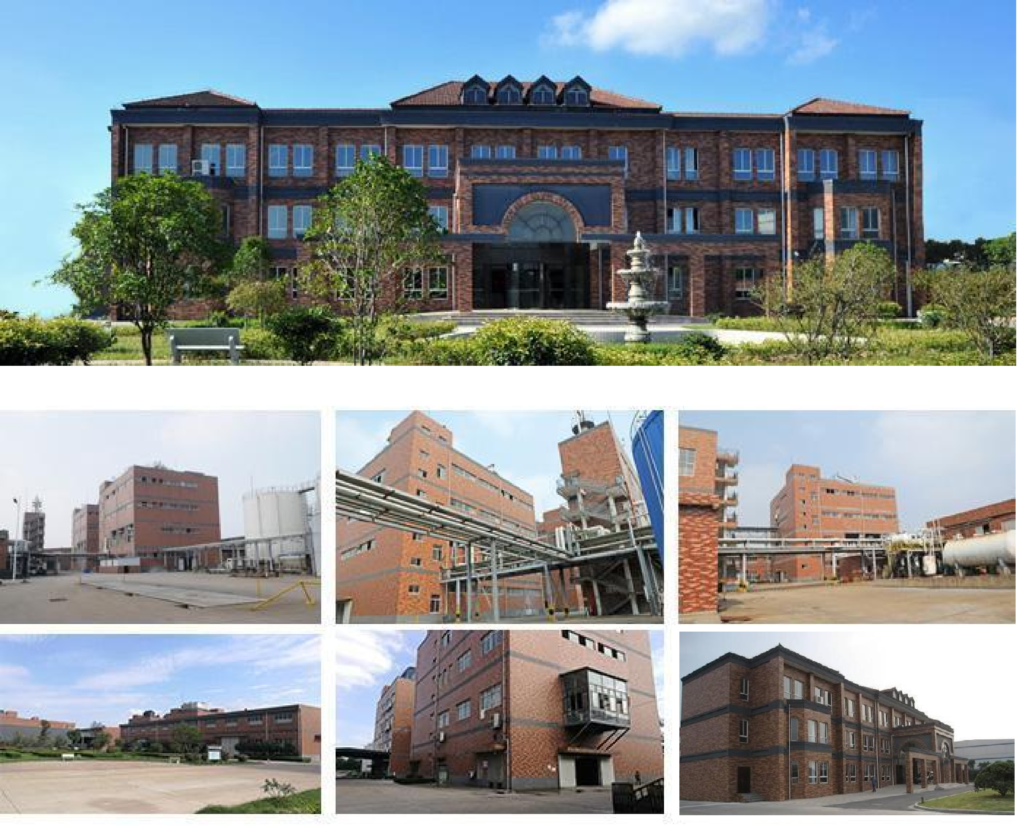
Hetroflex TPEE provides Thermoplastic Polyester Elastomer solutions for global customers across automotive, cable, industrial, textile, and other demanding applications.
If you are developing a new TPEE application, contact Hetroflex TPEE with your required properties, processing method, application, and estimated volume to discuss the appropriate TPEE grade or customized material solution.
